
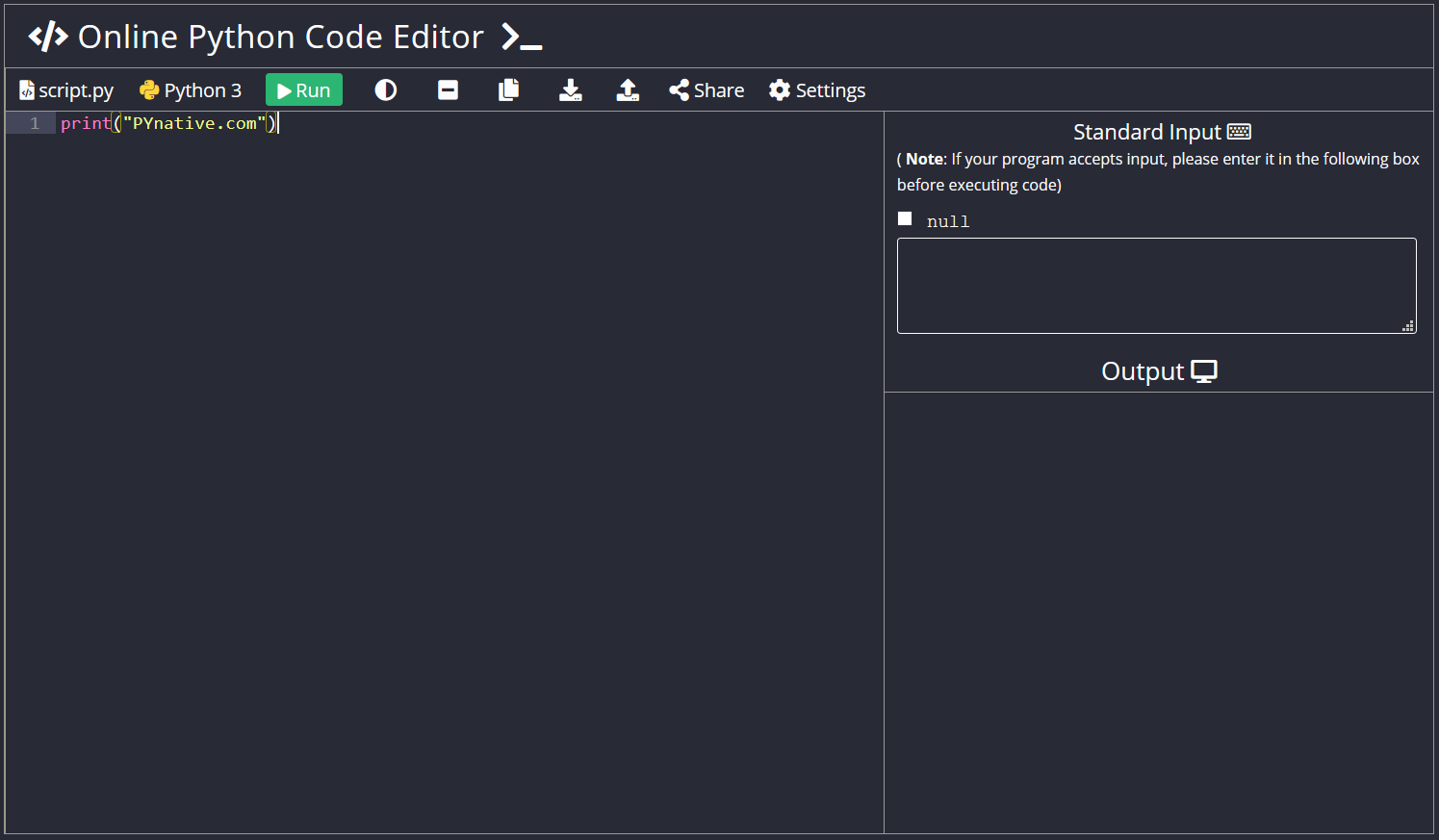
A “Python compiler” isn’t quite the right term—Python is usually run through an interpreter, not a traditional compiler like C or Java. Let me break it down clearly:
🐍 How Python runs code
- Interpreter (CPython): The default and most widely used implementation. It reads your
.pyfiles, translates them into bytecode, and executes them with the Python Virtual Machine. - Compiler-like behavior: Python does compile your code, but only into bytecode (
.pycfiles), not into machine code directly. - Alternative implementations:
- PyPy: Uses Just-In-Time (JIT) compilation to make Python faster.
- Jython: Compiles Python code to run on the Java Virtual Machine.
- IronPython: Targets the .NET framework.
- Cython: Lets you compile Python with C extensions for performance.
⚡ Key takeaway
- If you’re writing Python, you’re almost always using CPython, the interpreter.
- If you want speed, you might use PyPy or compile parts of your code with Cython.
- So, Python doesn’t have a “compiler” in the traditional sense, but it does have multiple implementations that handle compilation differently.
Would you like me to show you a simple example of Python bytecode so you can see what the interpreter actually compiles your code into?
Tags:
Software